Posted on: October 9, 2025
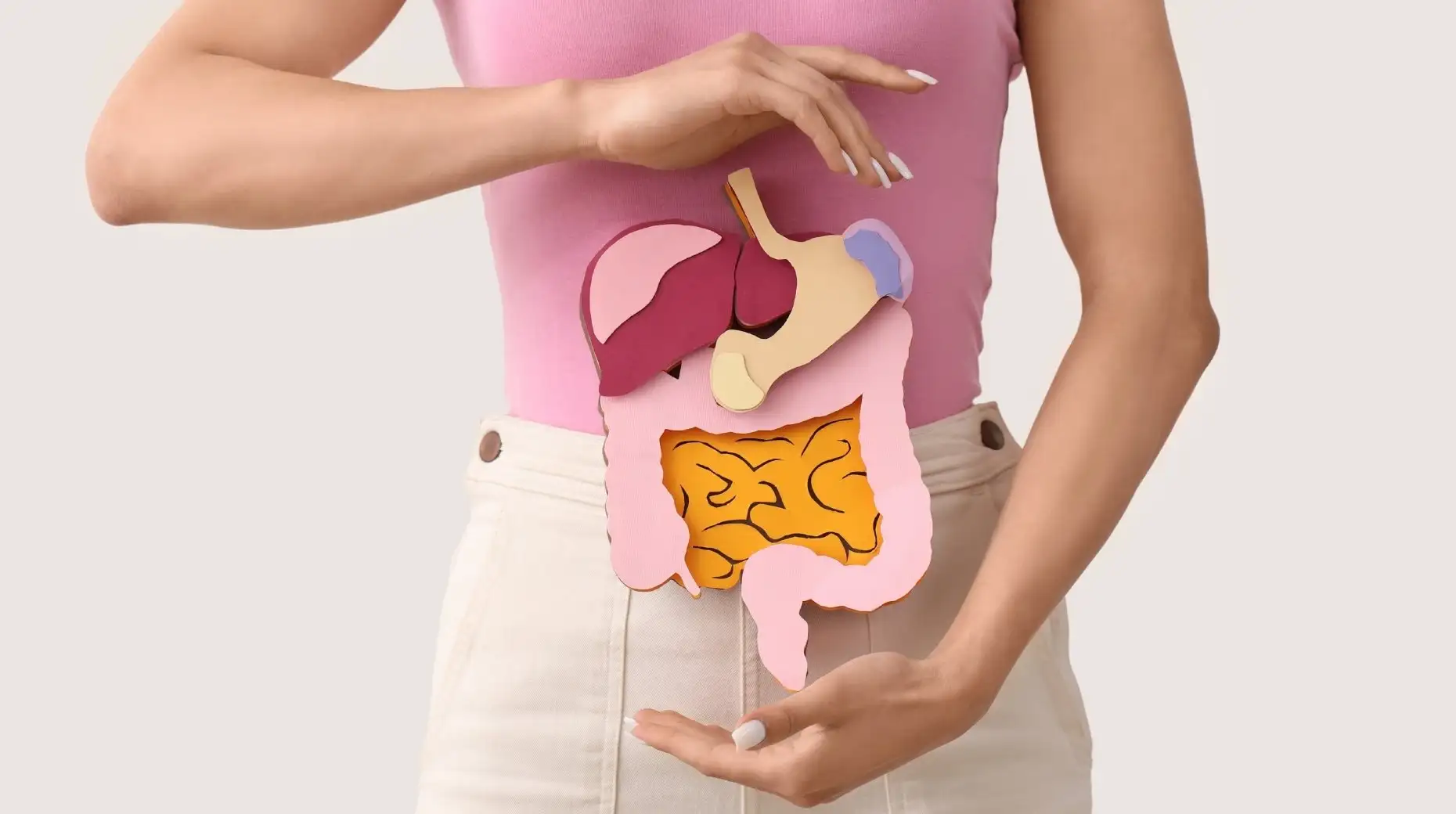
Part 1: What Are Disorders of Gut–Brain Interaction (DGBI)?
Understanding the Mind–Body Connection in Digestive Health.
If you’ve ever been told that your digestive symptoms are “just stress” or “all in your head,” you’re not alone. For many people—especially women—persistent bloating, abdominal pain, or irregular bowels are dismissed when standard tests come back “normal.” But we now know that these symptoms are very real and often part of a group of conditions called Disorders of Gut–Brain Interaction (DGBI).
As a naturopathic doctor, I see these conditions every day in practice. Understanding them is the first step toward true healing—because digestivehealth is never just about the gut. It’s a mind–body system.
What Is a DGBI?
DGBIs are conditions where the communication between your gut and brain becomes disrupted—like a misfiring electrical circuit. This “mis-wiring” causes the gut to send stronger or confusing messages to the brain, which then interprets them as pain, bloating, nausea, or urgency.
Common examples include:
• Irritable Bowel Syndrome (IBS)
• Functional heartburn
• Functional constipation or diarrhea
• Chronic bloating and distention
• Functional dyspepsia (upper abdominal discomfort)
What’s important to understand:
- These are not imaginary conditions.
- They involve real physiological changes in gut motility, nerve sensitivity, immune function, and even the gut microbiome.
- The “brain” side of the gut–brain axis also matters—stress, trauma, mood, and sleep can amplify gut sensations and change how the body digests and reacts.
The Gut–Brain Connection
Your gut and brain communicate constantly through nerves, hormones, and chemical messengers. This is known as the gut–brain axis.
For example:
- Stress or anxiety can change how quickly food moves through your intestines (leading to diarrhea or constipation).
- A gut infection, food sensitivity, or antibiotic use can alter the microbiome and increase gut sensitivity, which can then heighten anxiety or fatigue.
It’s truly a two-way street—your digestive health affects your mental health, and vice versa.
Why This Matters for Women’s Digestive Health
Research shows that nearly half of Canadian women meet the criteria for at least one DGBI. Women are also more likely to experience visceral sensitivity (heightened awareness of gut sensations), cyclical symptom changes around their menstrual cycle, and emotional stress related to digestive distress.
That’s why a naturopathic approach—which considers hormones, the nervous system, nutrition, microbiome balance, and stress management—is so valuable. Addressing one piece alone rarely provides lasting relief.
A Naturopathic Perspective
In naturopathic medicine, we look beyond symptoms. We explore:
- How the nervous system is responding (fight-or-flight activation)
- How inflammation or microbiome imbalance might contribute
- How early stressors or trauma can influence digestion
- How lifestyle, food, and sleep support or hinder recovery
Treatment focuses on calming the nervous system, restoring gut integrity, supporting the microbiome, and re-establishing trust between your body and your digestion.
Final Thoughts
DGBIs are not “all in your head.” They are real, complex, and treatable when we approach them through a mind–body lens. Whether it’s IBS, chronic bloating, or functional heartburn, the key to recovery often lies in retraining both your gut and your nervous system to communicate effectively again.
Stay tuned for Part 2, where we’ll explore diagnostics—how DGBIs are identified and what testing (or lack thereof) can tell us about your digestive health. Part 3 will focus on dietary treatment strategies, and Part 4 will explore naturopathic treatment approaches to help restore balance to the gut-brain axis.
Disclaimer: This blog is intended for educational and informational purposes only and should not be considered medical advice. Always consult your healthcare provider before making decisions about your health, treatment, or wellness plan.