Posted on: October 21, 2025
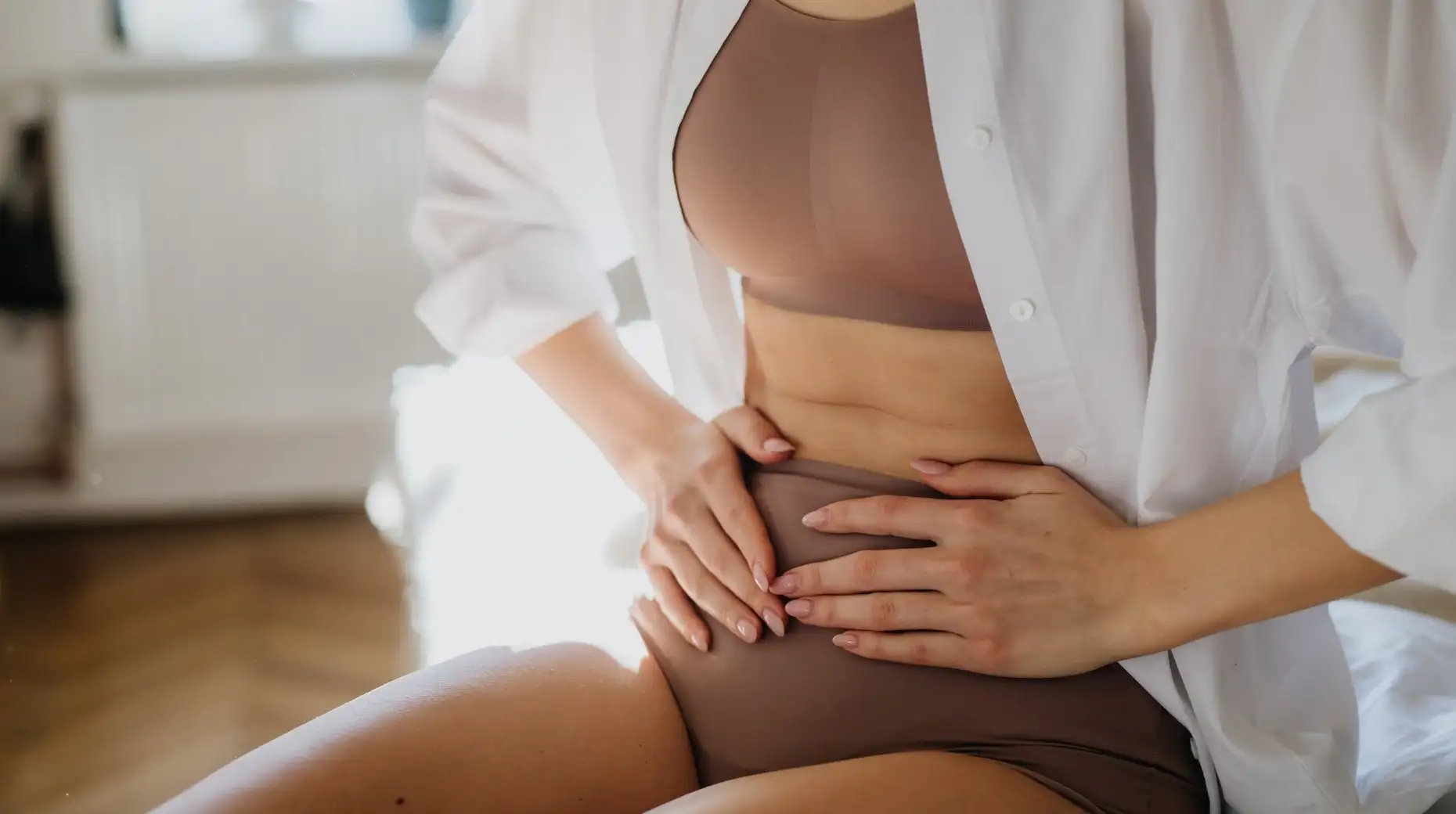
If you’ve been told you might have endometriosis—or already have a diagnosis—you’re not alone. Endometriosis affects roughly 1 in 10 people assigned female at birth, yet it’s often misunderstood, under-diagnosed, and emotionally exhausting to live with.
Let’s talk about what’s really going on, what the “gold standard” for diagnosis is, and how naturopathic medicine can help you manage symptoms and improve quality of life.
How Endometriosis Is Diagnosed
The gold standard for diagnosing endometriosis is still laparoscopy—a minor surgical procedure that allows doctors to look directly inside the pelvis and confirm the presence of endometrial-like tissue.
However, even without surgery, certain symptoms make endometriosis more likely:
• Chronic pelvic pain
• Pain that worsens before your period
• Severe cramps that interfere with daily life
• Pain with intercourse or bowel movements
• Trouble conceiving
If these sound familiar, it’s important to discuss them with your healthcare provider. Even if an ultrasound or MRI looks “normal,” that doesn’t mean nothing is wrong—superficial lesions can be missed.
Stage Doesn’t Equal Pain
One of the most confusing parts of endometriosis is that the amount of visible tissue doesn’t match how bad the pain feels.
Someone with “stage 1” (mild) endometriosis can have unbearable pain, while another person with “stage 4” (severe) disease may have mild symptoms. Pain perception depends on nerve involvement, inflammation, and how the brain processes pain—not just on how much tissue is found.
Pain Is More Than Hormonal
Endometriosis pain isn’t just “period pain” or “hormonal pain.” Research shows that the nervous system becomes more sensitive over time. This is called central sensitization, meaning the brain and spinal cord start amplifying pain signals. Some people even experience neuropathic pain—burning, tingling, or shooting pain that feels nerve-related rather than cramp-like.
This helps explain why hormonal treatments or even surgery don’t always completely relieve pain—because the nervous system may still be “turned up.”
What Can Help
While there’s no single “cure,” there are many ways to manage symptoms and support overall health.
1. Nutrition & Vitamin Support
Diet doesn’t cause endometriosis, but it can influence inflammation and immune balance.
Research suggests that:
• An anti-inflammatory diet rich in vegetables, fruit, fish, and olive oil may reduce pain and improve energy.
• Vitamin D plays a role in inflammation control and immune regulation—many people with endometriosis are low in vitamin D.
• Omega-3 fatty acids, antioxidants, and a healthy gut microbiome can also help calm inflammation.
2. Natural Pain Support
• PEA (Palmitoylethanolamide): a natural compound studied for its role in reducing chronic pelvic pain.
• Ginger: shown to help reduce menstrual cramps and inflammation.
• Movement & stress management: gentle exercise, mindfulness, and sleep support can reduce nervous-system sensitivity.
3. Validation & Collaboration
Most importantly: this is not your fault.
Endometriosis develops through a mix of genetic, immune, and hormonal factors, not personal choices. It’s a chronic, manageable condition that often improves when care is individualized and multi-layered—combining medical and naturopathic approaches.
The Bottom Line
Endometriosis pain is real, even if your imaging is clear or your “stage” is mild.
Diagnosis by laparoscopy is still the standard, but symptom recognition is key. By blending medical care with nutrition, supplements, and nervous-system support, many people find meaningful relief and get their lives back.
Endometriosis is complex, but your care doesn’t have to be.
Together, we can explore the factors contributing to your pain and create a clear, compassionate plan that supports long-term relief.
References
1. ACOG Practice Bulletin No. 218: Endometriosis. Obstetrics & Gynecology. 2020. PubMed ID: 32804822
3. Stratton P et al. The correlation between pain severity and endometriosis stage is weak. Hum Reprod. 2006;21(9):2450-2458. PubMed ID: 16936305
4. As-Sanie S et al. Central sensitization and neuropathic pain in women with endometriosis. Fertil Steril. 2021;116(3):785-793. PubMed ID: 34389142
5. Ferrero S et al. Vitamin D and endometriosis: a review of the literature. Reprod Biol Endocrinol. 2022;20(1):123. PubMed ID: 36152772
6. AAFP. Diagnosis and Management of Endometriosis. Am Fam Physician. 2022;106(6):649-658.
Disclaimer: This blog is intended for educational and informational purposes only and should not be considered medical advice. Always consult your healthcare provider before making decisions about your health, treatment, or wellness plan.