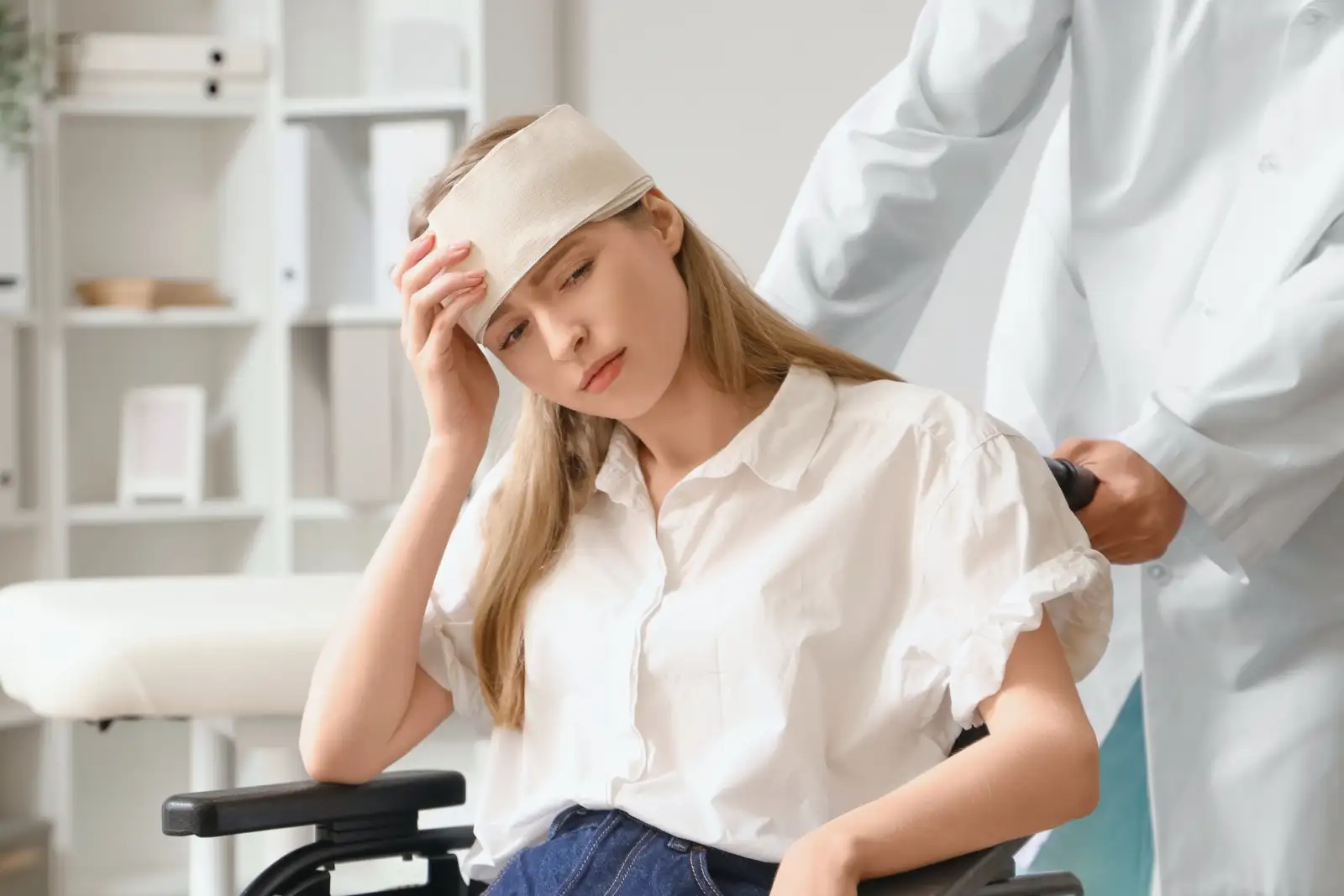
As a former athlete and someone who has personally experienced concussions, I understand how important proper concussion recovery is — and how much our understanding of concussion care has evolved over the years. When I was younger, concussions were often under-recognized compared to how we assess them today. Even 10–15 years ago, recommendations frequently focused on strict rest and avoiding all stimulation for prolonged periods of time. We now understand that, for many people, recovery benefits from a more gradual and active rehabilitation approach — gently reintroducing cognitive and physical activity in a symptom-limited way while still allowing the brain and nervous system time to heal.

Recognizing Concussion Symptoms

Individuals may experience unique symptomatology related to concussions, requiring tailored assessment and treatment.

  • headaches

  • dizziness

  • fatigue

  • mood swings

  • memory issues

  • sleep disturbances

  • anxiety

  • visual problems

Section Image

Supporting Brain Recovery

My concussion care approach focuses on supporting the brain’s healing process while respecting the nervous system’s limits. This may include evidence-based nutritional and supplement support, strategies to reduce inflammation, sleep and stress support, gradual cognitive and physical reconditioning, and collaboration with other healthcare providers such as physiotherapists, chiropractors, massage therapists, vestibular therapists, or medical doctors when appropriate.

A large part of my approach is ensuring the brain and nervous system have the nutritional building blocks needed for optimal recovery. During concussion recovery, the brain often has increased energy and metabolic demands, which can increase the importance of adequate protein, amino acids, hydration, and overall nutritional support. The goal is to help support cellular repair, nervous system regulation, and the brain’s recovery process while carefully pacing cognitive and physical activity.

Section Image

Tracking Recovery & Individualizing Care

I use validated assessment tools to help determine symptom severity, identify the most aggravating symptoms, and track recovery over time. Treatment is individualized and may also incorporate headache and migraine-focused support when those symptoms are part of the concussion picture. The overall goal is to support healing, reduce symptom burden, and help patients safely return to school, work, sport, and everyday life.

FAQs

Frequently Asked Questions

Monitor for persistent headaches, mood changes, fatigue, and cognitive difficulties after a concussion. Recognizing these symptoms allows timely intervention.

Recovery duration varies significantly, often ranging from a few days to several weeks or months, depending on the individual's health and treatment. Proper management is essential.

Yes, therapies are often tailored to address your unique emotional and physiological needs, integrating natural remedies that focus on holistic recovery.